
Navigating the waves of loss: Why there is no “right way” to grieve
- Mar 17
- 3 min read

When I experienced my own loss and grief, I realised how incredibly challenging it is to be yourself in the face of expectations about how to behave and feel. At a time when I most needed connection, I often felt confused, alone, and unsure whether I was grieving “the right way”.
The “companioning” approach to healing
As a clinician, I turned to the research and writing of grief experts to make sense of what I was going through. Dr Alan Wolfelt describes grief as a normal, necessary response to loss and argues that the role of helpers is not to “fix” grief, but to walk alongside it. He calls this “companioning” – being fully present to another person’s pain, listening deeply, and honouring their unique way of mourning rather than trying to move them on.
Wolfelt also highlights the importance of maintaining a continuing bond with the person who died, instead of feeling pressured to “let go” or sever ties. Practices like self-compassion and mindfulness can support this process, helping people soften their inner critic and make space for the full range of feelings that arise in grief.
Dispelling the myths of grief stages
These ideas led me to ask a bigger question: “What is grief?” It’s a common word, but a deeply individual experience.
Grief can show up emotionally, cognitively, physically, and spiritually. There is no single timeline and no clear end point; for many people, grief becomes something they learn to live with and integrate, rather than something that disappears.
One of the most unhelpful myths I see in therapy is the idea that grief moves neatly through a set of stages and then is “resolved”. While the stage model was originally a way to describe common reactions, it has often been misused as a rigid roadmap. This can lead to comments like, “you should be over it by now,” leaving people feeling ashamed, pressured or defective in their grief.
Understanding the waves of grief
In reality, grief tends to move in waves. People often describe having moments of feeling ok followed by sudden surges of pain triggered by dates, places or memories. When we expect ourselves to be “done” by a certain time, we’re more likely to shut down, withdraw from others, or hide our grief rather than seek the support we need.
Feeling isolated is one of the strongest predictors of ongoing, complicated grief reactions. Chronic loneliness is frequently noted as a key risk factor for Prolonged Grief Disorder, particularly when people feel they have no safe space to talk about their loss.
Finding connection in The Grief Circle
Drawing on my personal experience of loss and on Wolfelt’s companioning model, I was inspired to create The Grief Circle. In this group, we embrace the idea that your grief does not need to be cured, rushed, or neatly organised into stages. The group provides a shared understanding with others who are also navigating the impact of loss. Simply being in a room where you don’t have to minimise your grief, apologise for tears, or pretend you’re “over it” can lead to shared relief and connectedness.
A recent member from The Grief Circle highlighted this in her email to me:
“At the time, my grief was very raw, and being part of the group helped me feel that my experience was normal and valid. It allowed me to better understand how grief was affecting my daily life, recognise what I needed, and notice the ways I sometimes masked my grief around others.”
This is why I stay inspired to offer this unique space for grief to be explored.
Finding a grief specialist in Sydney
If you’re wondering whether Grief Circle might be right for you, you’re welcome to contact The Mind Clinic for a brief conversation about where you are in your grief journey and discuss the relevant options we offer.
The Grief Circle groups are kept small to ensure everyone feels heard and supported.
Duration: Once a week for 8 weeks
Location: The Mind Clinic, Mosman
Time: Mondays, 6pm - 8pm
Group Size: 3 to 5 people
Note: Our groups are culturally sensitive, inclusive, non-religious, and non-denominational.
About the author
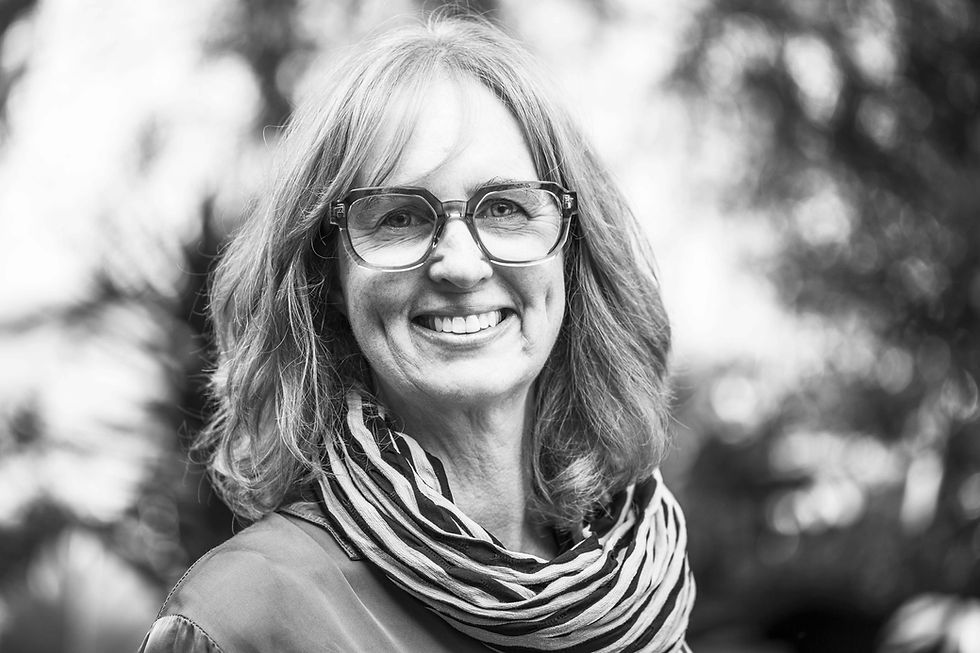
Sue Daniel | Registered Counsellor MACA | Accredited Mediator
Sue Daniel is a warm, collaborative counsellor who established The Grief Circle alongside Dr Nikki Johnson at The Mind Clinic, Mosman.
In addition to her work with loss and grief, Sue supports individuals navigating trauma, anxiety, and life transitions using evidence-based approaches like ACT, DBT, and mindfulness. Her practice is trauma-informed, and she warmly welcomes LGBTQI and neurodiverse members of the community.


Comments